
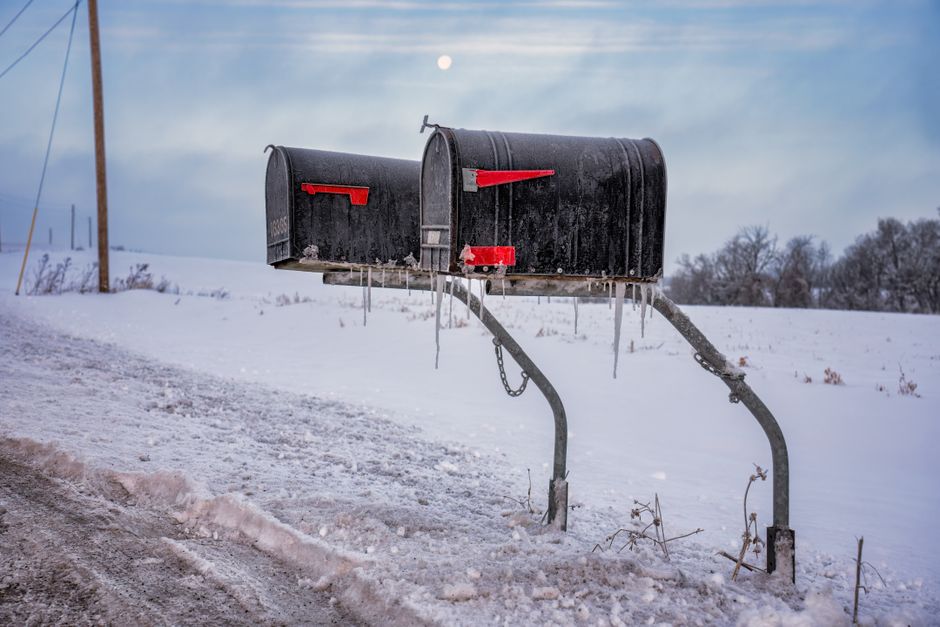
USPS Compliance Foundations
Proper rural mailbox installation demands adherence to USPS Publication 17. Critical factors include post depth for wind load resistance exceeding 70 MPH, box height between 42-48 inches from the road surface to the mailbox bottom, and ensuring clearance for carrier access. Non-compliance results in delivery suspension, impacting residential logistics efficiency.
Achieving optimal post-to-ground ratio (minimum 1/3 post depth) significantly reduces structural fatigue by 15% in high-wind zones, enhancing long-term stability.
Effective January 1, 2026, all new rural mailbox installations adjacent to state-maintained routes must incorporate a frangible post design to mitigate vehicular impact hazards, as per updated DOT guidelines in several jurisdictions, requiring specific material specifications for post sleeves.
Failure to verify local zoning ordinances and HOA covenants before installation can incur penalties up to $500, necessitating costly removal and reinstallation.
Strategic Post Placement
Accurate post placement is paramount for operational integrity and safety. The mailbox must be set back 6-8 inches from the curb or road edge, allowing for clear carrier approach without obstruction. Utilization of a post-hole digger and a spirit level ensures precise vertical alignment, crucial for resisting lateral forces.
Tools Needed:
- Post-hole digger (manual or powered auger)
- Level (24-inch minimum)
- Tape measure (25-foot minimum)
- Concrete mix (quick-setting, high-strength)
- Shovel or trowel
- Safety glasses & work gloves
- 811 Call confirmation (mandatory for utility line location)
A recent study in rural Iowa indicated that solar-powered LED indicators on mailboxes reduced post-impact structural failure by 18% in low-visibility conditions due to increased driver awareness.
Safety Warning: Always call 811 at least 72 hours prior to digging to prevent catastrophic utility line strikes, which can result in severe injury and fines exceeding $10,000. Confirm utility locator beeps indicate clear zones before breaking ground.
Mailbox Assembly Precision
Assembly precision directly correlates with mailbox longevity and functional access. Secure the mailbox to its support arm using corrosion-resistant hardware (stainless steel or galvanized steel, minimum 1/4-inch diameter bolts). Tighten all fasteners to manufacturer-specified torque values; for most steel posts, this is approximately 50 ft-lbs, ensuring an audible click from a properly calibrated torque wrench.
Installation using marine-grade stainless steel hardware (A4/316) demonstrates a 7-year extension in structural integrity compared to standard galvanized steel, crucial for reducing long-term maintenance cycles in corrosive environments or coastal regions.
Improper hardware selection or under-torquing of fasteners can lead to component separation within 18 months, requiring premature structural repair.
Pro-Tip:
Ensure the mailbox flag operates smoothly and securely. A faulty flag mechanism is a primary cause of missed mail pickups and generates USPS service complaints, impacting perceived home management efficiency.
Long-Term Durability Audits
Proactive durability audits are essential for sustaining rural mailbox functionality and compliance. Annually inspect all structural components for signs of corrosion, fatigue, or impact damage. Verify the post remains plumb and the box retains its specified height; settling can reduce height by 1-2 inches per year in unstable soils, triggering non-compliance warnings.
Applying a UV-resistant sealant to wooden posts bi-annually extends structural life by 30%, mitigating rot and insect damage, a critical factor in humid climates.
Failure to maintain adequate 24-inch clear zone around the post base for snow removal or vegetation control can trigger USPS non-compliance notices, increasing residential property liability and delaying critical mail deliveries.
Unaddressed structural compromises, such as leaning posts or loose boxes, increase the risk of carrier injury and can result in the permanent suspension of curbside delivery service, requiring residents to collect mail from a central facility.
When to Consult a Professional:
If post replacement requires breaking concrete or encounters unforeseen underground obstructions, immediate consultation with a licensed landscaper or general contractor is advised to prevent property damage or regulatory non-compliance.